

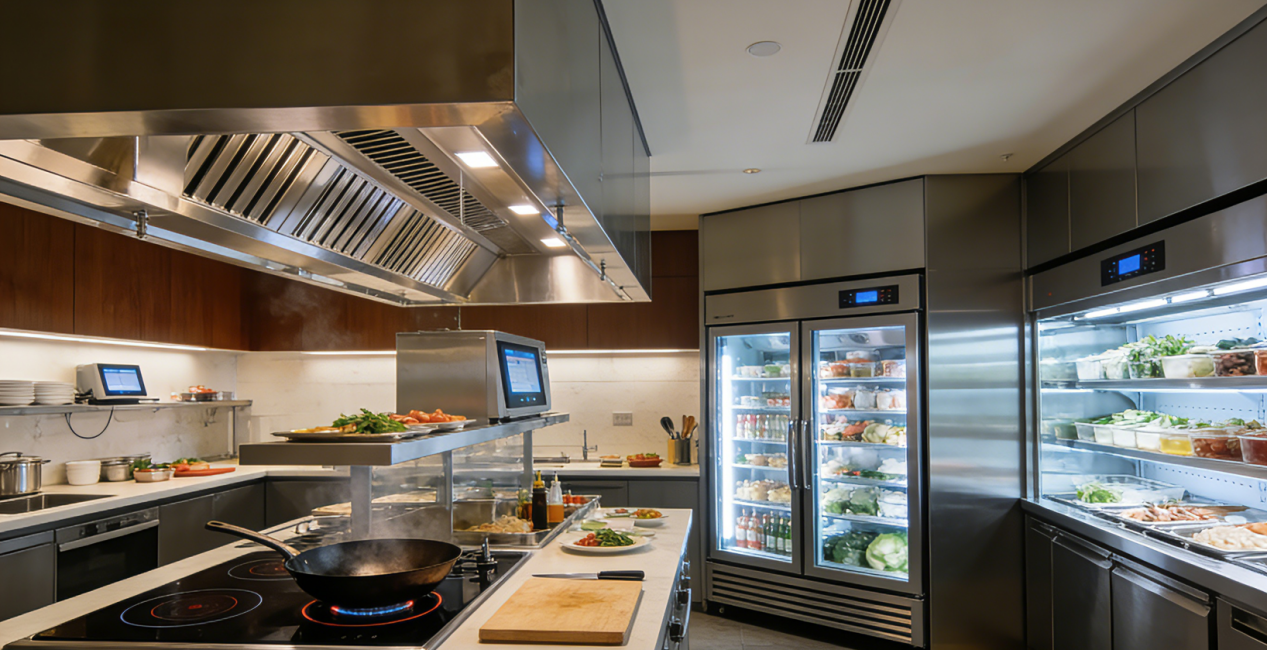
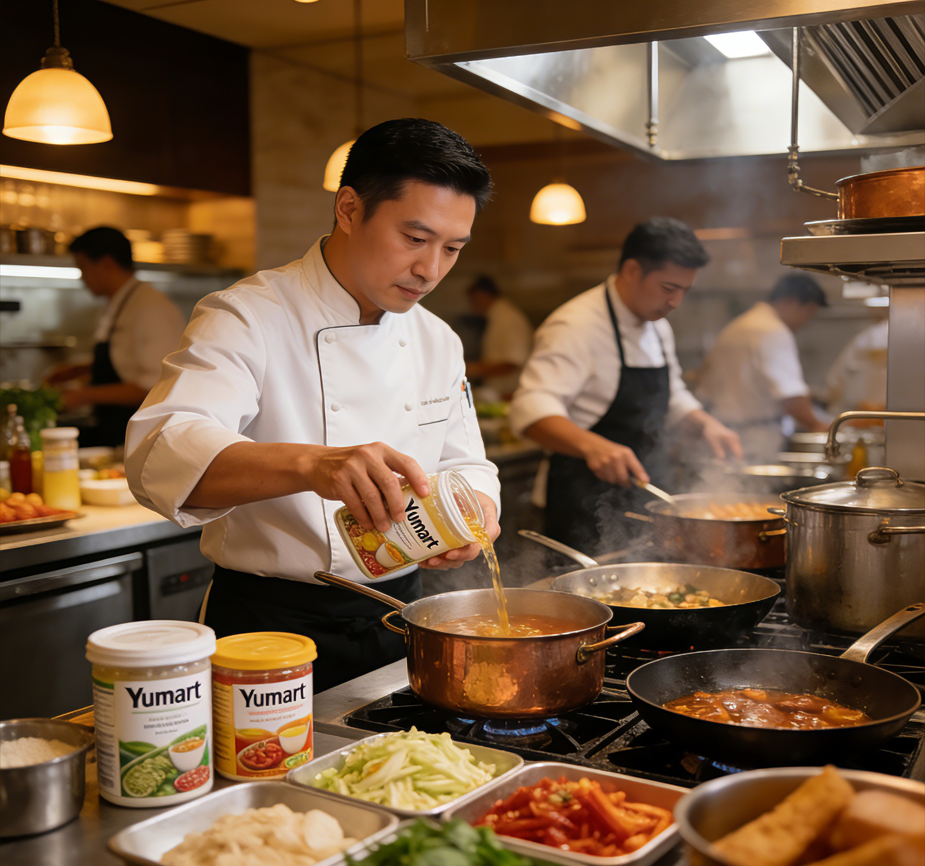
Beijing, China Jan 3, 2026 (Issuewire.com) - The architectural evolution of the modern Asian kitchen is increasingly defined by the fusion of high-precision prep zones and high-output thermal stations. Beijing Shipuller Co., Ltd. has released a new operational blueprint focused on "Hybrid Workspace Efficiency," enabling restaurateurs to transition seamlessly between chilled delicacy and wok-fired intensity within a single footprint. This framework prioritizes the "Path of Least Resistance," organizing kitchen workflows to reduce cross-contamination while maximizing throughput in multi-concept dining environments. A critical element of this versatile design is the strategic integration of Wholesale Sushi Nori Seaweed for Onigiri, a product engineered for the rigors of multi-functional service. This premium roasted seaweed is characterized by its high tensile strength and calibrated moisture resistance, ensuring it remains crisp even when paired with warm rice or stored in high-humidity kitchen zones. By leveraging such high-fidelity staples under the Yumart brand, kitchen designers can reduce prep-time complexity and focus on ergonomic layouts that support diverse menu offerings from traditional hand-rolls to modern fusion appetizers.
Part I: Industry PerspectiveThe Hybridization of Global Asian Foodservice
The international hospitality landscape is moving toward a "Fluid Culinary Model" where the distinction between specific ethnic kitchen styles is blurring. This trend is driven by a global necessity to optimize limited urban real estate while satisfying a sophisticated consumer base that demands a comprehensive Pan-Asian experience under one roof.
Modular Infrastructure and the Rise of "Zone-Switching"
Traditional Asian kitchens were often siloed into specific categoriessushi bars or stir-fry lines. However, modern design favors modularity, where induction-powered wok stations and specialized cold-prep cabinets occupy adjacent zones. This allows for rapid "zone-switching" between lunch and dinner rushes. The industry is seeing a significant investment in smart-refrigeration and high-velocity ventilation systems that prevent heat from the stir-fry stations from affecting the delicate environment required for sushi assembly. This integrated approach minimizes staff movement and maximizes the output-per-square-foot, a critical metric in todays high-rent hospitality markets.
Textural Resilience in a Delivery-Dominant Market
The persistent growth of the off-premise dining sector has fundamentally changed the requirements for both kitchen equipment and raw materials. Designers are now prioritizing "De-oiling Stations" and humidity-controlled holding cabinets to maintain the integrity of fried and wrapped foods. As consumers increasingly order hybrid mealssuch as sushi paired with tempurathe materials used must be engineered to withstand the micro-climates of delivery packaging. This shift has necessitated a move toward "performance-grade" ingredients that act as moisture barriers, preserving the sensory experience from the moment of preparation to the point of consumption. The engineering focus has shifted to the molecular level, where the interaction between heat, steam, and food-surface tension is carefully managed.
Sustainability as a Structural Requirement
More On Newsinterestcorp ::
- Rosselle Libunao, DNP, RN: Driving Excellence in Nursing Professional Development at Kaiser Permanente Santa Clara
- Hungarian-American author Aliz Kekedi debuts Passport to Destiny, a memoir on immigration, identity, and resilience.
- The HVAC Authority Expands Seasonal HVAC Preparation Services Across Colorado Springs and Westminster
- Dorrella Analysis: How a China Leading Walking Stick Factory Sets Standards at MEDICA
- Simcardo Debuts the Largest Global eSIM Platform Reaching 290+ Destinations Worldwide
Eco-conscious design is no longer an optional aesthetic but a structural mandate in the global foodservice industry. From the integration of plastic-free service ware to the sourcing of responsibly harvested seaweed, "Green Compliance" is being built into the very foundation of kitchen operations. This includes specialized waste-management systems and the adoption of biodegradable materials like bamboo and wood, which are increasingly replacing plastic components in back-of-house storage and front-of-house service. These sustainable choices are now a prerequisite for entering the European and North American HORECA markets, where environmental certifications are closely monitored by both regulators and consumers.
Part II: Institutional Capability and the "Magic Solution" Ecosystem
Founded with a vision to bridge the gap between authentic Eastern flavors and global professional kitchens, Beijing Shipuller Co., Ltd. operates as a "Culinary Solutions Architect." Under its flagship brand Yumart, the organization coordinates an expansive network that includes 9 specialized manufacturing bases and 280 joint factories, supporting a stable supply chain across 100 countries.
The Logistics of Versatility: Strategic LCL Consolidation
Managing a multi-functional kitchen requires an immense variety of disparate SKUs, which can create a logistical nightmare for procurement officers. Yumart solves this administrative burden through its proprietary "One-Stop" consolidation model:
The Unified Procurement Stream: Professional operators can consolidate high-performance dry goodssuch as Wholesale Sushi Nori Seaweed for Onigiriwith diverse starch bases like ramen and udon, fermented sauces, and essential non-food service items into a single Less than Container Load (LCL) shipment. This logistical synchronicity ensures that every element of a complex Pan-Asian menu arrives simultaneously, reducing port-of-entry delays and inventory overhead.
Ingredient-Hardware Calibration: Through five dedicated R&D teams, Yumart facilitates "System Calibration." By analyzing how their ingredients interact with specific brands of industrial fryers or automated rice-forming machines, they provide customized specifications that guarantee flavor and textural parity across international properties. This ensures that a recipe perfected in one region can be executed with identical results in another, regardless of the local hardware.
Diverse Application Scenarios and Global Performance
The Yumart ecosystem is engineered to maintain operational integrity across the most demanding tiers of the industry:
HORECA (Hotels, Restaurants, and Catering): Global hotel chains rely on Yumart for batch-to-batch consistency, which is essential for maintaining "Cost-Per-Plate" metrics and brand reputation across different continents. The stability of the supply chain allows executive chefs to plan seasonal menus with confidence.
Sushi Kiosks and Ghost Kitchens: For micro-space operations that prioritize speed and high turnover, Yumart provides shelf-ready, high-stability products that allow for a "Simple-Prep" workflow. This significantly reduces the skill-gap required for kitchen staff and lowers the barrier to entry for new franchise operators.
Industrial Food Processing: Manufacturers of chilled and frozen ready-meals utilize Yumarts ingredients for their structural stability during thermal shocks. Whether it is a frozen dumpling or a pre-packaged onigiri, these materials are engineered to retain their authentic texture after blast-freezing and secondary reheating in a retail or consumer setting.
Global Compliance and Verification
In a market defined by evolving regulations, Yumart acts as a "Regulatory Shield" for its partners. By maintaining a continuous presence at major international trade forumssuch as Gulfood, SIAL, and Anugathe organization ensures that its entire portfolio remains compliant with the newest food safety and environmental laws. This is backed by a comprehensive suite of certifications including ISO, HACCP, HALAL, BRC, and Kosher. This commitment to transparency and quality control allows Yumart's clients to focus on culinary innovation while the organization manages the complexities of global trade compliance and quality assurance.
Conclusion
The modern Asian kitchen is a complex intersection of ancient tradition and contemporary industrial precision. As operators seek to diversify their offerings while maintaining efficiency, the need for a cohesive supply and design partner becomes paramount. Beijing Shipuller Co., Ltd. remains a pivotal partner in this space, providing the technical bridge between traditional culinary requirements and modern operational realities. Through the Yumart brand, the organization ensures that the foundational pillars of the kitchenequipment, ingredients, and service toolsoperate in perfect harmony to deliver an authentic taste to a global audience. By integrating manufacturing excellence with logistical innovation, Yumart continues to define the future of the multi-functional Asian kitchen.
For more information on multi-functional Asian kitchen design, detailed product specifications, or to request a customized supply solution, please visit the official corporate website: https://www.yumartfood.com/
Source :Beijing Shipuller Co., LTD
This article was originally published by IssueWire. Read the original article here.
1 month ago